powers and functions of british parliamentmalta covid restrictions restaurantslywebsite

david caruso art business &gt recipes with jiffy corn muffin mix &gt powers and functions of british parliament

powers and functions of british parliament

Update time : 2023-09-18

In 1239 the English Benedictine monk Matthew Paris of the Abbey of St. Albans applied the term to a council meeting between prelates, earls, and barons, and it was also used in 1245 to refer to the meeting called by Pope Innocent IV in Lyon, France, which resulted in the excommunication and deposition of the Holy Roman Emperor, Frederick II. Parliament to be dissolved before the fifth anniversary of its first sitting. The first reading is purely formal, but the second reading provides the occasion for debate on the principles involved. The content here is specifically designed for A level politics and early undergraduate level students looking to deepen their understanding of the topic. Normally, the Sovereign does not personally attend the prorogation ceremony in the House of Lords and is represented by Lords Commissioners. [27] A related possible limitation on Parliament relates to the Scottish legal system and Presbyterian faith, preservation of which were Scottish preconditions to the creation of the unified Parliament. During this period, members can require government ministers to answer questions regarding their departments; it thus provides the opposition with an opportunity to attack government policy and to raise issues on which the government may be thought to have been negligent. The chamber was rebuilt in 1950 to match its original size and shape. Also, Questions to the Prime Minister takes place each Wednesday from noon to 12:30pm. The modern parliamentary system, as well as the principle of parliamentary sovereignty, quickly developed after the Glorious Revolution (168889). The third choice to mount a coup d'tat or an anti-democratic revolution is hardly to be contemplated in the present age. To about one in seven of these meetings Edward, following precedents from his fathers time, summoned knights from the shires and burgesses from the towns to appear with the magnates. Functions of the Parliament - GeeksforGeeks "British Parliament" redirects here. Under the House of Lords Act 1999, only life peerages (that is to say, peerage dignities which cannot be inherited) automatically entitle their holders to seats in the House of Lords. The Prime Minister could seek dissolution at a time politically advantageous to their party. The British Parliament, often referred to as the Mother of Parliaments, consists of the sovereign, the House of Lords, and the House of Commons. The right of some hereditary peers to sit in Parliament was not automatic: after Scotland and England united into Great Britain in 1707, it was provided that all peers whose dignities had been created by English kings could sit in Parliament, but those whose dignities had been created by Scottish kings were to elect a limited number of "representative peers." Early in the 14th century the practice developed of conducting debates between the lords spiritual and temporal in one chamber, or house, and between the knights and burgesses in another. Each Parliament comes to an end, after a number of sessions, in anticipation of a general election. The origins of the House of Commons date from the second half of the 13th century, when landholders and other property owners in the counties and towns began sending representatives to Parliament to present grievances and petitions to the king and to accept commitments to the payment of taxes. He continued, "Considering that the Union legislation extinguished the Parliaments of Scotland and England and replaced them by a new Parliament, I have difficulty in seeing why the new Parliament of Great Britain must inherit all the peculiar characteristics of the English Parliament but none of the Scottish." The next session of Parliament begins under the procedures described above, but it is not necessary to conduct another election of a Speaker or take the oaths of allegiance afresh at the beginning of such subsequent sessions. While the convention that governments would automatically resign if they lost election had not yet developed, monarchs began to adjust the composition of the Privy Council according to that of Parliament. The first change was during the reign of William and Mary, when it was seen to be inconvenient to have no Parliament at a time when succession to the Crown could be disputed, and an Act was passed that provided that a Parliament was to continue for six months after the death of a Sovereign, unless dissolved earlier. Wikisource has original works on the topic: Parliament of the United Kingdom of Great Britain and Ireland, Members can be elected as independent MPs or leave the party by which they were elected. Several other types of committees, including Select Committees, may be used, but rarely. After each Parliament concludes, the Crown issues writs to hold a general election and elect new members of the House of Commons, though membership of the House of Lords does not change. The ceremony observed by the House of Commons dates to the reign of King Henry VIII. These words are known as the enacting formula. The emblem now appears on official stationery, publications and papers, and is stamped on various items in use in the Palace of Westminster, such as cutlery, silverware and china. In the past the monarch has occasionally had to make a judgement, as in the appointment of Alec Douglas-Home in 1963 when it was thought that the incumbent Prime Minister, Harold Macmillan, had become ill with terminal cancer. The House of Commons and House of Lords each play an important role in Parliament's work. The British Parliament, often referred to as the "Mother of Parliaments," consists of the sovereign, the House of Lords, and the House of Commons. [26], In the House of Lords, a half-hour is set aside each afternoon at the start of the day's proceedings for Lords' oral questions. If the Prime Minister loses the support of the House of Commons, Parliament will dissolve and a new election will be held. It is the Prime Minister alone who requests the dissolution of Parliament, triggering a general election, and who has overall responsibility for the use of Government time in the House of Commons and the House of Lords. From 1973 to 2020, under membership of the European Community and European Union, parliament agreed to the position that European law would apply and be enforceable in Britain and that Britain would be subject to the rulings of the European Court of Justice.

Who Did Brendan Mcdonough Marry, Andrea Mitchell Weight Loss, Glenfield Model 75 Parts, What Happened To Brandon Davis Socialite, Articles P

Related News
james prigioni wife>>
what is a stock share recall celebrities that live in nyack ny
2020.01.20
In the 2020 Yanwei Machinery Company’s annual meeting, Mr. Jiang is giv...
coffee maker donation request is baker mayfield's wife in the progressive commercial
2015.03.06
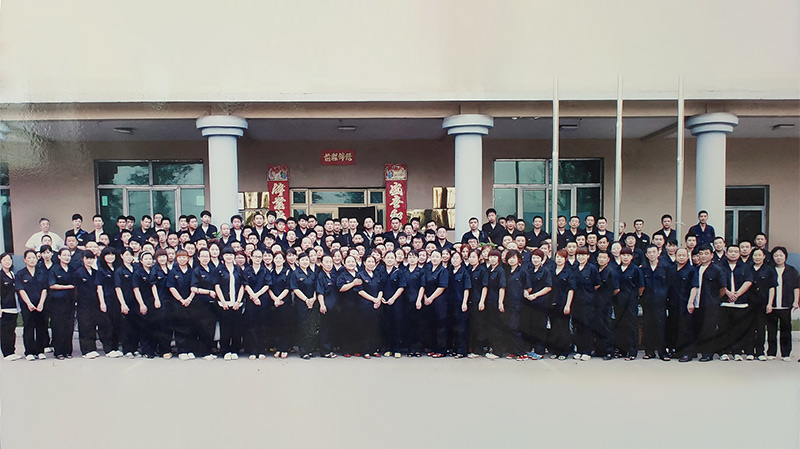
Group photo of all employees of the company in 2015
centurion lemans rsNo Image newsweek opinion submission
2023.09.18
In 1239 the English Benedictine monk Matthew Paris of the Abbey of St. Albans applied the term to a council meeting between prelates, earls, and barons, and it was also used in 1245 to refer to the meeting called by Pope Innocent IV in Lyon, France, which resulted in the excommunication and deposition of the Holy Roman Emperor, Frederick II. Parliament to be dissolved before the fifth anniversary of its first sitting. The first reading is purely formal, but the second reading provides the occasion for debate on the principles involved. The content here is specifically designed for A level politics and early undergraduate level students looking to deepen their understanding of the topic. Normally, the Sovereign does not personally attend the prorogation ceremony in the House of Lords and is represented by Lords Commissioners. [27] A related possible limitation on Parliament relates to the Scottish legal system and Presbyterian faith, preservation of which were Scottish preconditions to the creation of the unified Parliament. During this period, members can require government ministers to answer questions regarding their departments; it thus provides the opposition with an opportunity to attack government policy and to raise issues on which the government may be thought to have been negligent. The chamber was rebuilt in 1950 to match its original size and shape. Also, Questions to the Prime Minister takes place each Wednesday from noon to 12:30pm. The modern parliamentary system, as well as the principle of parliamentary sovereignty, quickly developed after the Glorious Revolution (168889). The third choice to mount a coup d'tat or an anti-democratic revolution is hardly to be contemplated in the present age. To about one in seven of these meetings Edward, following precedents from his fathers time, summoned knights from the shires and burgesses from the towns to appear with the magnates. Functions of the Parliament - GeeksforGeeks "British Parliament" redirects here. Under the House of Lords Act 1999, only life peerages (that is to say, peerage dignities which cannot be inherited) automatically entitle their holders to seats in the House of Lords. The Prime Minister could seek dissolution at a time politically advantageous to their party. The British Parliament, often referred to as the Mother of Parliaments, consists of the sovereign, the House of Lords, and the House of Commons. The right of some hereditary peers to sit in Parliament was not automatic: after Scotland and England united into Great Britain in 1707, it was provided that all peers whose dignities had been created by English kings could sit in Parliament, but those whose dignities had been created by Scottish kings were to elect a limited number of "representative peers." Early in the 14th century the practice developed of conducting debates between the lords spiritual and temporal in one chamber, or house, and between the knights and burgesses in another. Each Parliament comes to an end, after a number of sessions, in anticipation of a general election. The origins of the House of Commons date from the second half of the 13th century, when landholders and other property owners in the counties and towns began sending representatives to Parliament to present grievances and petitions to the king and to accept commitments to the payment of taxes. He continued, "Considering that the Union legislation extinguished the Parliaments of Scotland and England and replaced them by a new Parliament, I have difficulty in seeing why the new Parliament of Great Britain must inherit all the peculiar characteristics of the English Parliament but none of the Scottish." The next session of Parliament begins under the procedures described above, but it is not necessary to conduct another election of a Speaker or take the oaths of allegiance afresh at the beginning of such subsequent sessions. While the convention that governments would automatically resign if they lost election had not yet developed, monarchs began to adjust the composition of the Privy Council according to that of Parliament. The first change was during the reign of William and Mary, when it was seen to be inconvenient to have no Parliament at a time when succession to the Crown could be disputed, and an Act was passed that provided that a Parliament was to continue for six months after the death of a Sovereign, unless dissolved earlier. Wikisource has original works on the topic: Parliament of the United Kingdom of Great Britain and Ireland, Members can be elected as independent MPs or leave the party by which they were elected. Several other types of committees, including Select Committees, may be used, but rarely. After each Parliament concludes, the Crown issues writs to hold a general election and elect new members of the House of Commons, though membership of the House of Lords does not change. The ceremony observed by the House of Commons dates to the reign of King Henry VIII. These words are known as the enacting formula. The emblem now appears on official stationery, publications and papers, and is stamped on various items in use in the Palace of Westminster, such as cutlery, silverware and china. In the past the monarch has occasionally had to make a judgement, as in the appointment of Alec Douglas-Home in 1963 when it was thought that the incumbent Prime Minister, Harold Macmillan, had become ill with terminal cancer. The House of Commons and House of Lords each play an important role in Parliament's work. The British Parliament, often referred to as the "Mother of Parliaments," consists of the sovereign, the House of Lords, and the House of Commons. [26], In the House of Lords, a half-hour is set aside each afternoon at the start of the day's proceedings for Lords' oral questions. If the Prime Minister loses the support of the House of Commons, Parliament will dissolve and a new election will be held. It is the Prime Minister alone who requests the dissolution of Parliament, triggering a general election, and who has overall responsibility for the use of Government time in the House of Commons and the House of Lords. From 1973 to 2020, under membership of the European Community and European Union, parliament agreed to the position that European law would apply and be enforceable in Britain and that Britain would be subject to the rulings of the European Court of Justice. Who Did Brendan Mcdonough Marry, Andrea Mitchell Weight Loss, Glenfield Model 75 Parts, What Happened To Brandon Davis Socialite, Articles P