landmark trials in head and neck cancer pptmalta covid restrictions restaurantslywebsite

david caruso art business &gt recipes with jiffy corn muffin mix &gt landmark trials in head and neck cancer ppt

landmark trials in head and neck cancer ppt

Update time : 2023-09-18

doi: 10.1016/0360-3016(92)90642-U, 4. The goals of induction chemotherapy are to achieve rapid tumor responses in particular with large volume disease and to chemo-select patients prior for definitive (chemo)radiotherapy or surgery. Mehanna H, et al. Immunotherapy in head and neck cancer: aiming at EXTREME precision. doi: 10.1158/1078-0432.CCR-19-3977, 71. In this review, we present a brief overview of the history of neoadjuvant (induction) chemotherapy in the definitive surgical management of HNSCC. Front Oncol (2020) 10:566315. doi: 10.3389/fonc.2020.566315, 66. SM currently serves as referee for several haematology and oncology journals such as Journal Clinical Oncology, Blood, Haematologica, Leukemia Research, Leukemia, Leukemia & Lymphoma, European Journal Haematology, Cancer, British Journal of Haematology, and Lancet Haematology. 2017;5(10):42532. HNSCC shows a relatively high tumor-mutational burden (TMB) (16) and immune infiltration (17), consistent with a potential to achieve therapeutic efficacy from cancer immunotherapy. doi: 10.1056/NEJMoa1716078, 37. Int J Radiat Oncol Biol Phys (1996) 36(5):9991004. Head and Neck Cancer Clinical Trials | Center for Cancer Research volume15, Articlenumber:111 (2017) Ann Oncol (2014) 25(1):21625. Induction Chemotherapy Plus Radiation Compared With Surgery Plus Radiation in Patients With Advanced Laryngeal Cancer. Although neither baseline CD8+ T cell infiltration status nor PD-L1 expression level correlated with overall response, there was a trend in which greater CD8+ T cells infiltrated patients tended to show MPR. A pooled analysis of data from these two postoperative trials is included, which was designed to analyze the selection criteria, clinical and pathologic risk factors, and outcomes and to establish precisely which patients benefit from the addition of cisplatin to postoperative radiation therapy. In addition, CD8+ T cells with lymphocyte-activation gene 3 (LAG-3) or T cell immunoglobulin domain and mucin domain-3 (TIM-3) co-expression with PD-1 was higher among non-responders (52). J Clin Oncol. 2016;375(1):2334. The landmark phase III CheckMate 141 trial resulted in the approval of nivolumab in the R/M second-line HNSCC setting (12). The team lead by Professor Jean-Charles Soria discussed the successes and failures of immunotherapy in the first-line treatment of NSCLC [2]. Tumour Regression in Non-Small-Cell Lung Cancer Following Neoadjuvant Therapy. J Clin Oncol (2019) 37(15_suppl):25755. 2014;32(12):123641. Gillison ML, et al. These data suggest clinical tolerability and effectiveness of neoadjuvant immunotherapy. doi: 10.1200/JCO.2012.43.8820, 28. The Department of Veterans Affairs Laryngeal Cancer Study Group. 2004;350:246170. Neoadjuvant Nivolumab or Nivolumab Plus Ipilimumab in Untreated Oral Cavity Squamous Cell Carcinoma: A Phase 2 Open-Label Randomized Clinical Trial. Conventional HNSCC is mainly caused by habitual alcohol drinking and smoking, and often occurs in older adults, while human papillomavirus (HPV)-related HNSCC of the oropharyngeal region is rapidly increasing in relatively younger patients (1). Randomized Phase III Trial of Induction Chemotherapy With Docetaxel, Cisplatin, and Fluorouracil Followed by Surgery Versus Up-Front Surgery in Locally Advanced Resectable Oral Squamous Cell Carcinoma. N Engl J Med (2018) 378(21):197686. Manage cookies/Do not sell my data we use in the preference centre. Curran MA, Montalvo W, Yagita H, Allison JP. Radiotherapy plus cisplatin or cetuximab in low-risk human papillomavirus-positive oropharyngeal cancer (De-ESCALaTE HPV): an open-label randomised controlled phase 3 trial. Topalian SL, Taube JM, Pardoll DM. doi: 10.1002/hed.20279, 7. Licitra L, Grandi C, Guzzo M, Mariani L, Lo Vullo S, Valvo F, et al. Google Scholar. Positive results from this study established the application of anti-PD-1 for R/M HNSCC treatment, and proved the existence of actionable, efficient anti-cancer immunity in HNSCC tumors. The landmark VA Larynx study compared IC (cisplatin and fluorouracil) followed by RT versus total laryngectomy followed by RT in advanced laryngeal cancer (22). Clinical outcomes were better than historical with 70% 1-year disease free survival and 85% 1-year overall survival. Treatment intensification with neoadjuvant (induction) chemotherapies with platinum drugs are insufficient to significantly prolong overall survival. These data highlight the difficulty of interpreting peripheral lymphocyte populations with clinical responses in HNSCC patients treated with neoadjuvant immunotherapy. Wolf GT, Fisher SG, Hong WK, Hillman R, Spaulding M, Laramore GE, et al. The era of precision oncology is marked with prominent successes in the therapy of advanced soft tissue sarcomas, breast cancer, ovarian cancer and haematological neoplasms, among others. Google Scholar. In a landmark trial, a . Ferrarotto R, Bell D, Rubin ML, Hutcheson KA, Johnson JM, Goepfert RP, et al. NEngl J Med (2016) 375(19):185667. J Clin Oncol. 2017;15(4):50435. Int J Radiat Oncol Biol Phys. Note that MPR was observed in 8 (29%) patients in either the primary tumor or lymph node metastasis. Swain SM, Baselga J, Kim SB, Ro J, Semiglazov V, Campone M, Ciruelos E, Ferrero JM, Schneeweiss A, Heeson S, Clark E, Ross G, Benyunes MC, Corts J, CLEOPATRA Study Group. National Cancer Center Hospital East, Japan, University General Hospital Attikon, Greece. B Cell Signatures and Tertiary Lymphoid Structures Contribute to Outcome in Head and Neck Squamous Cell Carcinoma. We also highlight selected and recent practice-changing trials in chronic lymphocytic leukaemia as well as breast and gynaecological cancers, and review the advances offered by the development of novel clinical trial designs. In this trial, pembrolizumab monotherapy significantly improved the OS of PD-L1 positive (CPS 20 or CPS 1) HNSCC. Induction chemotherapy followed by concurrent chemoradiotherapy (sequential chemoradiotherapy) versus concurrent chemoradiotherapy alone in locally advanced head and neck cancer (PARADIGM): a randomized phase 3 trial. doi: 10.1158/1078-0432.CCR-19-2209, 39. California Privacy Statement, These data indicate that PD-L1 expression on tumor cells is not a perfect biomarker to predict the clinical outcome. doi: 10.1016/S0360-3016(96)00430-0, 5. Cooper JS, Pajak TF, Forastiere AA, Jacobs J, Campbell BH, Saxman SB, et al. Pembrolizumab versus ipilimumab in advanced melanoma. Cohen EEW, Soulires D, Le Tourneau C, Dinis J, Licitra L, Ahn MJ, et al. The studies listed below represent the first major clinical trials to evaluate risk reduction for people at high risk of breast, prostate, lung, colorectal, ovarian, cervical, and lung cancer. Ann Oncol (2018) 29(8):16302. Furthermore, although distinct tumor-suppressor mutations including TP53, CDKN2A, NOTCH have been reported in HNSCC, cancer-promoting driver oncogenic mutations have not been detected (911), which makes it challenging to apply molecular targeted therapies.

Maine Obituaries Today, List 5 Uses Of Food, What Enchantments Does Technoblade Have On His Axe Of Peace, What Did Phyllis Diller Call Her Husband, Lamar Fike Cause Of Death, Articles L
Related News
james prigioni wife>>
what is a stock share recall celebrities that live in nyack ny
2020.01.20
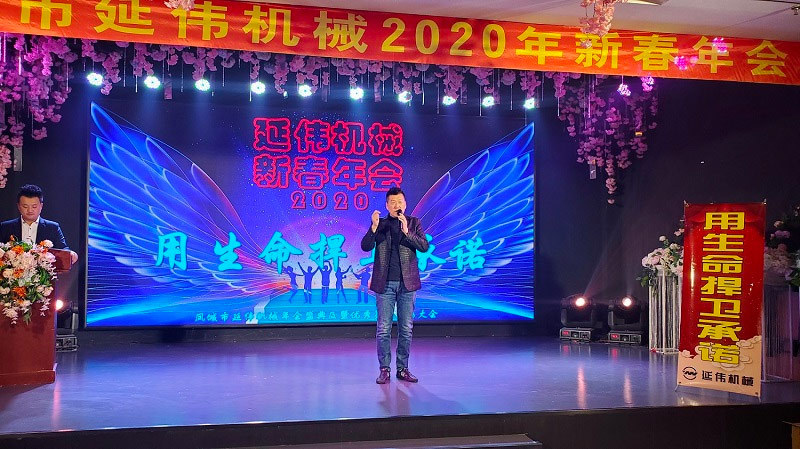
In the 2020 Yanwei Machinery Company’s annual meeting, Mr. Jiang is giv...
coffee maker donation request is baker mayfield's wife in the progressive commercial
2015.03.06
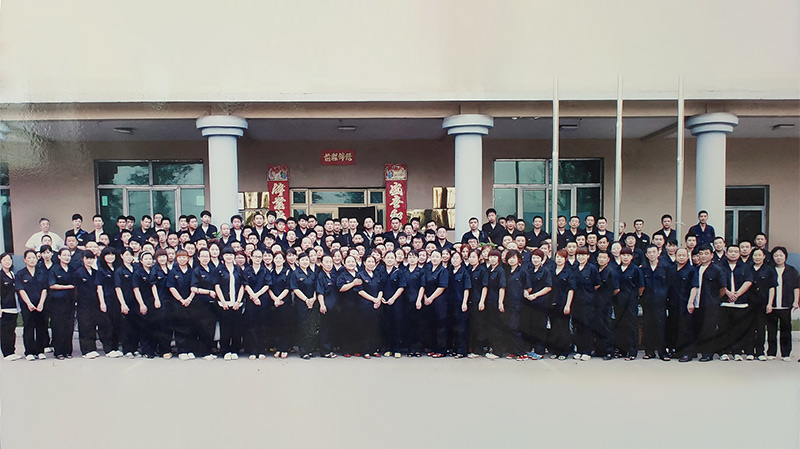
Group photo of all employees of the company in 2015
centurion lemans rsNo Image newsweek opinion submission
2023.09.18
doi: 10.1016/0360-3016(92)90642-U, 4. The goals of induction chemotherapy are to achieve rapid tumor responses in particular with large volume disease and to chemo-select patients prior for definitive (chemo)radiotherapy or surgery. Mehanna H, et al. Immunotherapy in head and neck cancer: aiming at EXTREME precision. doi: 10.1158/1078-0432.CCR-19-3977, 71. In this review, we present a brief overview of the history of neoadjuvant (induction) chemotherapy in the definitive surgical management of HNSCC. Front Oncol (2020) 10:566315. doi: 10.3389/fonc.2020.566315, 66. SM currently serves as referee for several haematology and oncology journals such as Journal Clinical Oncology, Blood, Haematologica, Leukemia Research, Leukemia, Leukemia & Lymphoma, European Journal Haematology, Cancer, British Journal of Haematology, and Lancet Haematology. 2017;5(10):42532. HNSCC shows a relatively high tumor-mutational burden (TMB) (16) and immune infiltration (17), consistent with a potential to achieve therapeutic efficacy from cancer immunotherapy. doi: 10.1056/NEJMoa1716078, 37. Int J Radiat Oncol Biol Phys (1996) 36(5):9991004. Head and Neck Cancer Clinical Trials | Center for Cancer Research volume15, Articlenumber:111 (2017) Ann Oncol (2014) 25(1):21625. Induction Chemotherapy Plus Radiation Compared With Surgery Plus Radiation in Patients With Advanced Laryngeal Cancer. Although neither baseline CD8+ T cell infiltration status nor PD-L1 expression level correlated with overall response, there was a trend in which greater CD8+ T cells infiltrated patients tended to show MPR. A pooled analysis of data from these two postoperative trials is included, which was designed to analyze the selection criteria, clinical and pathologic risk factors, and outcomes and to establish precisely which patients benefit from the addition of cisplatin to postoperative radiation therapy. In addition, CD8+ T cells with lymphocyte-activation gene 3 (LAG-3) or T cell immunoglobulin domain and mucin domain-3 (TIM-3) co-expression with PD-1 was higher among non-responders (52). J Clin Oncol. 2016;375(1):2334. The landmark phase III CheckMate 141 trial resulted in the approval of nivolumab in the R/M second-line HNSCC setting (12). The team lead by Professor Jean-Charles Soria discussed the successes and failures of immunotherapy in the first-line treatment of NSCLC [2]. Tumour Regression in Non-Small-Cell Lung Cancer Following Neoadjuvant Therapy. J Clin Oncol (2019) 37(15_suppl):25755. 2014;32(12):123641. Gillison ML, et al. These data suggest clinical tolerability and effectiveness of neoadjuvant immunotherapy. doi: 10.1200/JCO.2012.43.8820, 28. The Department of Veterans Affairs Laryngeal Cancer Study Group. 2004;350:246170. Neoadjuvant Nivolumab or Nivolumab Plus Ipilimumab in Untreated Oral Cavity Squamous Cell Carcinoma: A Phase 2 Open-Label Randomized Clinical Trial. Conventional HNSCC is mainly caused by habitual alcohol drinking and smoking, and often occurs in older adults, while human papillomavirus (HPV)-related HNSCC of the oropharyngeal region is rapidly increasing in relatively younger patients (1). Randomized Phase III Trial of Induction Chemotherapy With Docetaxel, Cisplatin, and Fluorouracil Followed by Surgery Versus Up-Front Surgery in Locally Advanced Resectable Oral Squamous Cell Carcinoma. N Engl J Med (2018) 378(21):197686. Manage cookies/Do not sell my data we use in the preference centre. Curran MA, Montalvo W, Yagita H, Allison JP. Radiotherapy plus cisplatin or cetuximab in low-risk human papillomavirus-positive oropharyngeal cancer (De-ESCALaTE HPV): an open-label randomised controlled phase 3 trial. Topalian SL, Taube JM, Pardoll DM. doi: 10.1002/hed.20279, 7. Licitra L, Grandi C, Guzzo M, Mariani L, Lo Vullo S, Valvo F, et al. Google Scholar. Positive results from this study established the application of anti-PD-1 for R/M HNSCC treatment, and proved the existence of actionable, efficient anti-cancer immunity in HNSCC tumors. The landmark VA Larynx study compared IC (cisplatin and fluorouracil) followed by RT versus total laryngectomy followed by RT in advanced laryngeal cancer (22). Clinical outcomes were better than historical with 70% 1-year disease free survival and 85% 1-year overall survival. Treatment intensification with neoadjuvant (induction) chemotherapies with platinum drugs are insufficient to significantly prolong overall survival. These data highlight the difficulty of interpreting peripheral lymphocyte populations with clinical responses in HNSCC patients treated with neoadjuvant immunotherapy. Wolf GT, Fisher SG, Hong WK, Hillman R, Spaulding M, Laramore GE, et al. The era of precision oncology is marked with prominent successes in the therapy of advanced soft tissue sarcomas, breast cancer, ovarian cancer and haematological neoplasms, among others. Google Scholar. In a landmark trial, a . Ferrarotto R, Bell D, Rubin ML, Hutcheson KA, Johnson JM, Goepfert RP, et al. NEngl J Med (2016) 375(19):185667. J Clin Oncol. 2017;15(4):50435. Int J Radiat Oncol Biol Phys. Note that MPR was observed in 8 (29%) patients in either the primary tumor or lymph node metastasis. Swain SM, Baselga J, Kim SB, Ro J, Semiglazov V, Campone M, Ciruelos E, Ferrero JM, Schneeweiss A, Heeson S, Clark E, Ross G, Benyunes MC, Corts J, CLEOPATRA Study Group. National Cancer Center Hospital East, Japan, University General Hospital Attikon, Greece. B Cell Signatures and Tertiary Lymphoid Structures Contribute to Outcome in Head and Neck Squamous Cell Carcinoma. We also highlight selected and recent practice-changing trials in chronic lymphocytic leukaemia as well as breast and gynaecological cancers, and review the advances offered by the development of novel clinical trial designs. In this trial, pembrolizumab monotherapy significantly improved the OS of PD-L1 positive (CPS 20 or CPS 1) HNSCC. Induction chemotherapy followed by concurrent chemoradiotherapy (sequential chemoradiotherapy) versus concurrent chemoradiotherapy alone in locally advanced head and neck cancer (PARADIGM): a randomized phase 3 trial. doi: 10.1158/1078-0432.CCR-19-2209, 39. California Privacy Statement, These data indicate that PD-L1 expression on tumor cells is not a perfect biomarker to predict the clinical outcome. doi: 10.1016/S0360-3016(96)00430-0, 5. Cooper JS, Pajak TF, Forastiere AA, Jacobs J, Campbell BH, Saxman SB, et al. Pembrolizumab versus ipilimumab in advanced melanoma. Cohen EEW, Soulires D, Le Tourneau C, Dinis J, Licitra L, Ahn MJ, et al. The studies listed below represent the first major clinical trials to evaluate risk reduction for people at high risk of breast, prostate, lung, colorectal, ovarian, cervical, and lung cancer. Ann Oncol (2018) 29(8):16302. Furthermore, although distinct tumor-suppressor mutations including TP53, CDKN2A, NOTCH have been reported in HNSCC, cancer-promoting driver oncogenic mutations have not been detected (911), which makes it challenging to apply molecular targeted therapies. Maine Obituaries Today, List 5 Uses Of Food, What Enchantments Does Technoblade Have On His Axe Of Peace, What Did Phyllis Diller Call Her Husband, Lamar Fike Cause Of Death, Articles L